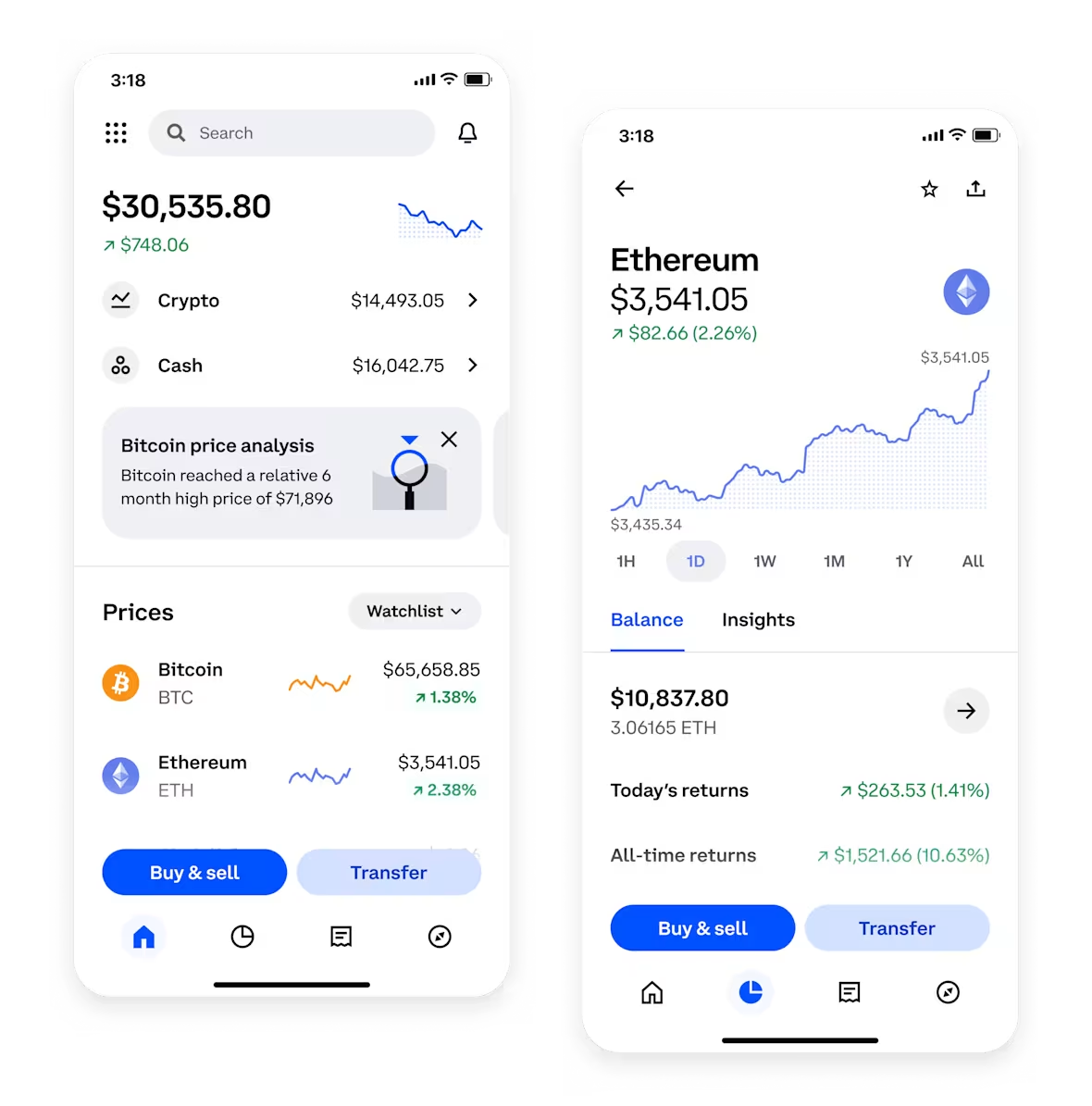

If you are new to the cryptocurrency world, you have likely heard of both Binance Exchange and Binance Chain. While they are closely related, they serve different purposes. Understanding how to use each one is essential for trading, storing, and interacting with digital assets. This guide explains the key differences and step-by-step instructions for using both platforms effectively.
What is Binance Exchange?
Binance Exchange is a centralized cryptocurrency trading platform. It allows users to buy, sell, and trade hundreds of cryptocurrencies using fiat money (like USD or EUR) or other crypto assets. It offers features like spot trading, margin trading, futures, and staking. To use Binance Exchange, you must first create an account, complete identity verification (KYC), and deposit funds via bank transfer, credit card, or crypto deposit.
What is Binance Chain?
Binance Chain is a blockchain network developed by Binance. It is designed for fast and low-cost transactions. Its native token is BNB. Unlike the Exchange, Binance Chain is a decentralized infrastructure where developers can create tokens, NFTs, and decentralized applications (dApps). There are two main versions: Binance Chain (BC) for basic token transfers and Binance Smart Chain (BSC) for smart contracts. Today, most users interact with BSC because it supports DeFi and dApps.
How to Use Binance Exchange: Step by Step
1. Register and Verify: Go to the official Binance website or app. Sign up with your email and phone number. Complete the KYC process to unlock higher withdrawal limits and all features.
2. Deposit Funds: Go to "Wallet" and select "Deposit." You can deposit crypto directly or use "Buy Crypto" to purchase with a card or bank transfer.
3. Start Trading: Choose a trading pair (e.g., BTC/USDT). Use the "Spot" trading interface to place market or limit orders. You can also use "Convert" for a simple swap.
4. Withdraw or Store: To move your funds off the exchange, withdraw to a personal wallet. Always double-check the withdrawal address and network type (e.g., BEP-20 for BSC).
How to Use Binance Chain (BSC): Step by Step
1. Get a Wallet: Binance Chain is not accessed through the Exchange. You need a non-custodial wallet like Trust Wallet (owned by Binance) or MetaMask. Install the wallet extension or app.
2. Connect to BSC: In your wallet settings, add the Binance Smart Chain network manually. You will need the network RPC, chain ID (56), and explorer URL. Many wallets have a one-click option to add BSC.
3. Fund Your Wallet with BNB: BNB is the gas token for BSC. You can buy BNB on Binance Exchange and withdraw it to your wallet using the BEP-20 network. A small amount of BNB is needed to pay transaction fees.
4. Interact with dApps: Use your wallet to connect to decentralized apps like PancakeSwap (for swapping tokens), Venus (for lending), or NFT marketplaces. Simply click "Connect Wallet" and approve the connection.
Key Differences You Must Know
- Control: Binance Exchange holds your funds (custodial). Binance Chain is self-custodial – only you control the private keys.
- Fees: Exchange trading fees are paid in BNB (usually 0.1% per trade). Chain transaction fees are paid to validators (very low, around $0.05 per transaction).
- Transfers: When moving assets between the Exchange and the Chain, always use the correct network. For example, to send USDT from your Exchange wallet to your Trust Wallet, select the BEP-20 network. A mistake can result in permanent loss of funds.
Common Use Cases
- Trading: Use the Exchange for high-speed trading and liquidity.
- Staking & Farming: Use BSC to stake BNB or provide liquidity on decentralized platforms for higher yields.
- Sending Funds: Use Binance Chain for cheap and fast transfers between wallets worldwide.
Security Tips
- Never share your private keys or seed phrase.
- Double-check network types before any withdrawal or deposit.
- Use strong passwords and enable 2FA on Binance Exchange.
- Beware of fake dApps or phishing sites pretending to be BSC projects.
By understanding both Binance Exchange and Binance Chain, you can manage your crypto assets more efficiently. Whether you are trading actively or exploring decentralized finance, these two platforms form the backbone of the Binance ecosystem. Start with small amounts, learn the basics, and gradually expand your activities.